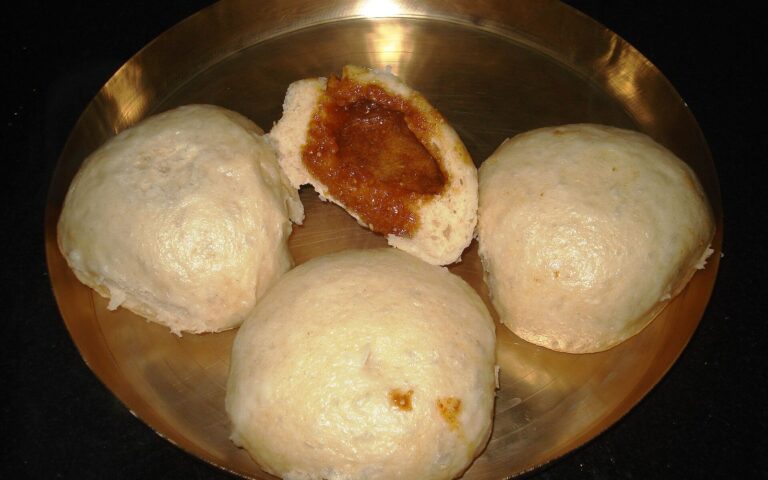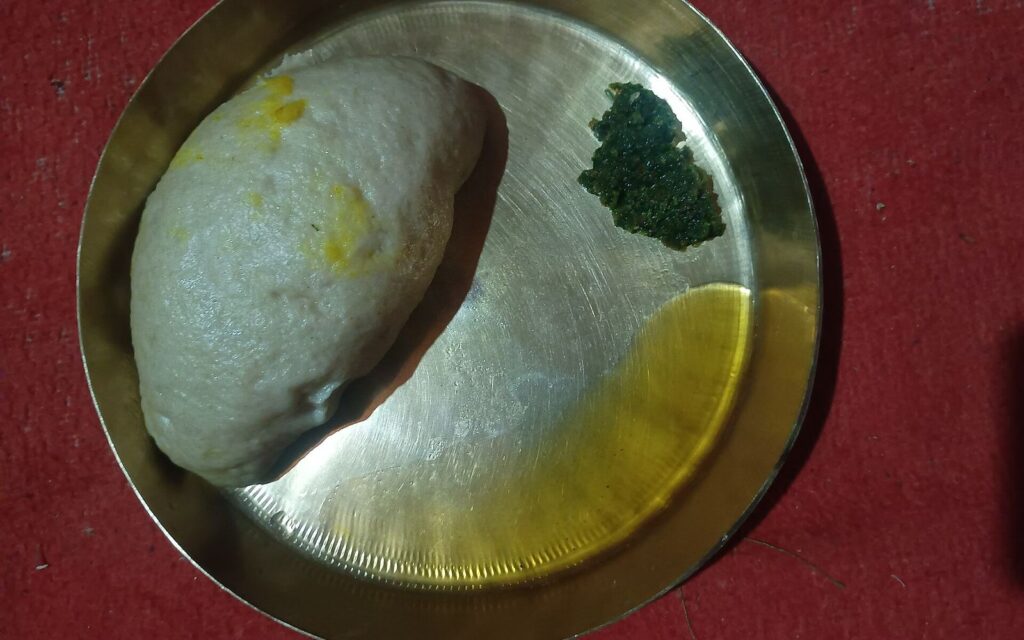
Like most home cooking, Siddu did not come with a written birth certificate. Recipes moved with families, changed with every village and grandmother, and were rarely written down. So any honest history of Siddu has to start with a caveat: we know a lot about how it has been made and eaten, and much less about exactly when and where it began.
Here is what is reasonably well established, and what is only a theory.
Old Mahasu: the most likely home
The most consistent account places Siddu’s origin in old Mahasu — the former district around Shimla, in the upper hills. Shimla historian Dr. Anurita Saxena, writing in Hill Post in 2024, describes Siddu as originally the dish of old Mahasu, from where it probably travelled to Kullu, Mandi and Sirmaur, and then across Himachal and beyond. She also stresses how hard it is to pin down the origin of any dish that has evolved over generations.
Food for working together
Siddu’s early purpose seems to have been practical. In hill villages, families traditionally worked together in turns on each other’s fields and buildings — a system called guraai. Saxena suggests Siddu emerged as a nutritious, one-meal dish for these working groups, especially during paddy transplanting in the monsoon (Saawan ki roopni) and construction work. A stuffed, filling bread that could be made in large batches and eaten without much else was ideal.
Siddus were also distributed during Saawan ka Sajja — the Sankranti marking the month of Saawan — linking the dish to the farming calendar.
How it used to be cooked
Before steamer pots became common, the method was different. According to Saxena, Siddus were stuffed and first cooked on one side on a hot tawa, then steamed in a large vessel over a base of paddy husk (purali). Today most cooks use multi-tier steamers — the kind Tibetan families use for momos — which are faster and more consistent.

In parts of Kullu, traditional kitchens also have dedicated vessels for Siddu. The photograph above, from Kullu district, shows a tandoor alongside what the photographer labels a maktu, or Siddu maker.
From home kitchen to celebration food
Over time Siddu moved from everyday work food to something more: a dish cooked for guests, carried as a gift when visiting relatives, sent with brides when they returned to their in-laws’ homes, and — in Kullu and Mandi — prepared during gammi, the days of mourning after a death. Few dishes in Himachal cover such a wide range of life’s moments.
Regional styles develop
As Siddu spread, every region made it its own. Shimla-side Siddus are often oval, Kullu Siddus can be more disc-like, and round and triangular shapes are common. Old Mahasu kept its walnut and poppy seed fillings (and bangjeeri, a local oilseed), while Mandi and Kullu leaned towards lentil fillings, and Mandi sometimes towards minced meat. Sweet Siddus with jaggery appeared for festivals.
Siddu goes public
For a long time Siddu was mostly home food. That changed as Himachal Tourism hotels, the Himachal Bhawans in Delhi and Chandigarh, and food stalls at melas began to serve it — Chef Nand Lal is quoted crediting these with spreading its popularity. Tourism in Manali, Kullu and Bir did the rest, and today you will find Siddu in cafés, dhabas and street carts across the state.
The theories we cannot confirm
- Some writers link the word Siddu to a Tibetan word for steamed bread, or suggest it is related to Chinese bao through old trade routes. These are plausible guesses, but we have not found solid evidence for them.
- Others say Siddu was carried by nomadic shepherds on long journeys. It certainly travels well, but this too is a story rather than documented history.
- You will sometimes read that one family or village has made Siddu for “200 years” — lovely, but impossible to verify.
What is not in doubt is how deeply Siddu belongs to the hills. Its history is the history of the families who have made it — and they are still making it, every day.
Know an old Siddu story from your family or village? Message us — we would love to hear it, and with your permission, share it here.
Frequently asked questions
Where did Siddu originate?
Most accounts, including Shimla historian Dr. Anurita Saxena, trace Siddu to old Mahasu, the former Shimla district, from where it spread to Kullu, Mandi, Sirmaur and the rest of Himachal.
How was Siddu traditionally cooked?
Traditionally Siddus were part-cooked on one side on a tawa and then steamed in a large vessel over paddy husk. Modern cooks use steamers.
Is Siddu related to Tibetan or Chinese bread?
Some writers suggest links to Tibetan steamed bread or Chinese bao, but there is no solid evidence for this; it remains a theory.