Walk through Bir and you will see all four on menus: Siddu, momos, bhatooru and tingmo. They share ingredients and some technique, so visitors often mix them up. Here is a clear, side-by-side guide.
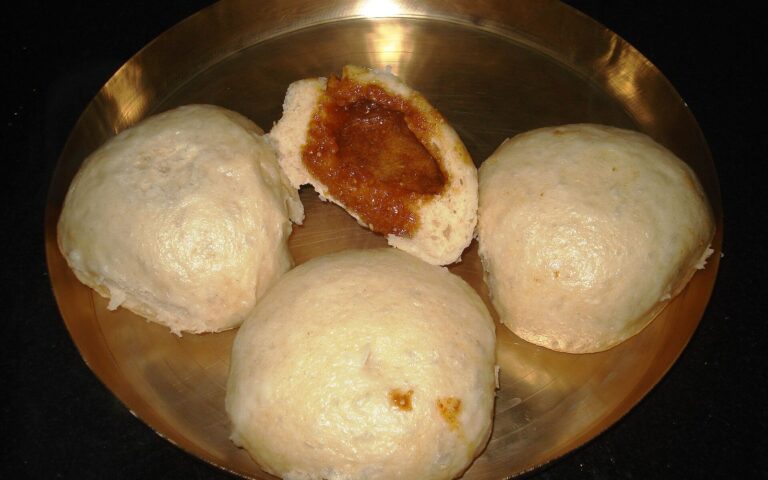
Siddu
- Dough: whole wheat flour, yeasted and left to rise until soft and airy.
- Filling: yes — walnut and poppy seed, lentils, and many modern options.
- Size and shape: large, palm-sized; half-moon, oval or round depending on the region.
- Cooking: steamed (traditionally part-cooked on a tawa first).
- Eaten with: lots of desi ghee, green chutney, dal.
- Origin: Himachal Pradesh, most likely old Mahasu (Shimla).
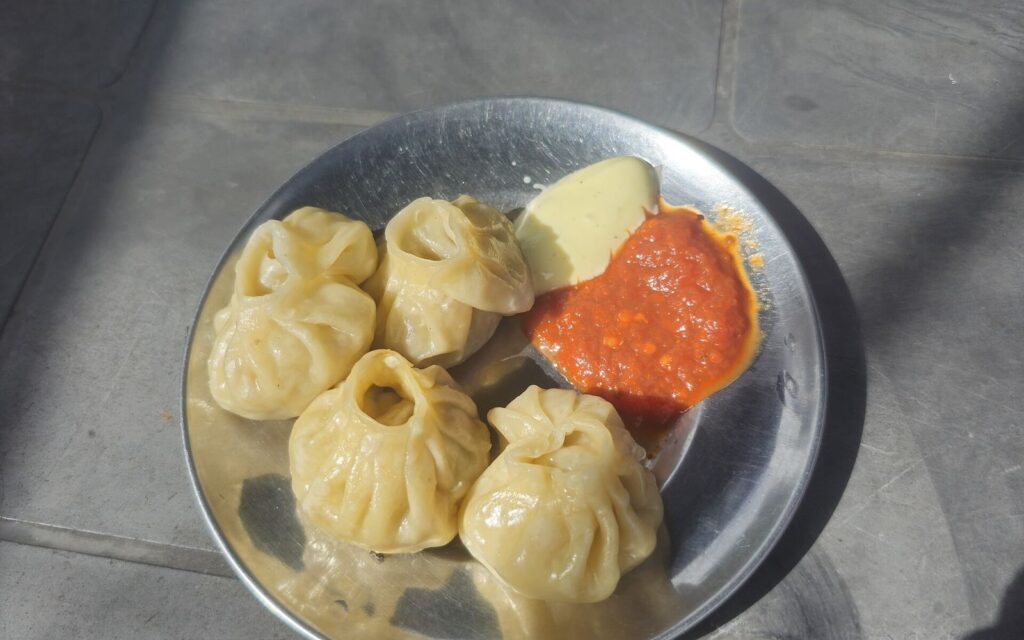
Momos
- Dough: usually refined flour and water, unleavened, rolled very thin.
- Filling: yes — vegetables, paneer, chicken or meat, juicy and seasoned with garlic and ginger.
- Size and shape: small, pleated dumplings, eaten several at a time.
- Cooking: steamed, sometimes fried or pan-fried.
- Eaten with: fiery tomato-chilli chutney, sometimes soup.
- Origin: Tibetan and Himalayan; came to Himachal with the Tibetan community.
The easiest way to tell them apart: bite into it. A momo has thin, almost translucent skin and lots of juicy filling. A Siddu is mostly soft, bready dough with a nutty or savoury centre.
Bhatooru

- Dough: wheat flour, fermented — often longer, for a slightly sour taste.
- Filling: usually none, though stuffed versions exist.
- Shape: thick, round flatbread.
- Cooking: on a tawa (griddle), not steamed.
- Eaten with: ghee, dal, madra, chutney — as an everyday bread.
- Origin: Kullu, Mandi and Shimla valleys.
Think of bhatooru as Siddu’s everyday cousin: the same yeasted soul, but cooked flat on a griddle.
Tingmo

- Dough: yeasted wheat flour, rolled thin and brushed with oil.
- Filling: none — it is rolled and twisted into knots for soft layers.
- Shape: flower-like twisted buns.
- Cooking: steamed.
- Eaten with: curries, dal, shapta and chilli sauce.
- Origin: Tibetan; also made in Lahaul for the Fagli festival.
Quick comparison
- Stuffed and steamed, yeasted dough: Siddu
- Stuffed and steamed, thin unleavened dough: Momos
- Not stuffed, cooked on a tawa, fermented dough: Bhatooru
- Not stuffed, steamed and twisted, yeasted dough: Tingmo
Which should you try first?
In Bir, try all four. Start with a walnut Siddu and ghee, then a plate of momos in the Tibetan colony, bhatooru with dal at a local dhaba, and tingmo with a curry for dinner. You will taste exactly how two mountain food traditions — Himachali and Tibetan — grew up side by side.
Want to make them at home? Our recipe section has Siddu, veg momos, bhatooru and tingmo, step by step.
Frequently asked questions
Is Siddu a type of momo?
No. Siddu uses thick, yeasted whole wheat dough and is a large stuffed bread; momos are small dumplings with thin, unleavened dough.
What is the difference between Siddu and bhatooru?
Both use fermented wheat dough, but Siddu is stuffed and steamed, while bhatooru is usually unstuffed and cooked on a tawa.
Is tingmo stuffed?
No. Tingmo is a plain yeasted bun, rolled and twisted into layers, then steamed.